Disability Access
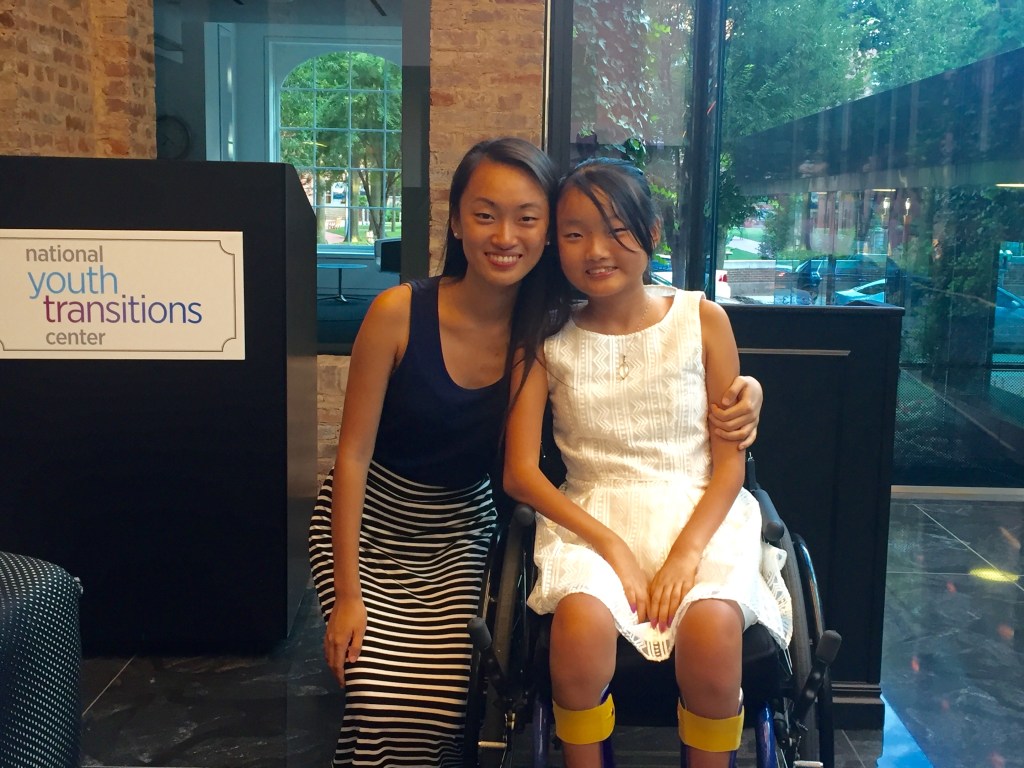
Disability access is one of the issues that is nearest and dearest to my heart. My sister Melissa uses a wheelchair, and together, we’ve been involved in the disability justice movement for the last twelve years.

In 2017, when Melissa was in high school, my family’s landlord decided to conduct a month of elevator repairs without notice to our family, who lived on the third floor. My mother wrote to them and said, “Without access to the elevator, I’ll have to carry Melissa on my back up and down three flights of stairs.” Property Management wrote back and said: tough.
Luckily, many laws protect people with disabilities, including the Fair Housing Act (FHA), California Fair Employment and Housing Act (FEHA), Americans with Disabilities Act (ADA), and here in San Francisco, the San Francisco Rent Ordinance.
Together, these laws require landlords to make reasonable accommodations for tenants with disabilities. In my sister’s case, all it took was a strongly worded letter from an attorney to remind the landlord of their legal obligations. She and my mother were then transferred to an apartment on the first floor instead, allowing her wheelchair to get in and out of the building with ease.

What Is a “Reasonable Accommodation”?
A reasonable accommodation is a change in rules, policies, practices, or services that allows a tenant with a disability to fully enjoy and use their housing. Examples include:
- Allowing a service or emotional support animal despite a no-pets policy
- Assigning an accessible parking space close to the entrance
- Allowing a rent payment plan due to a disability-related financial hardship
- Permitting a live-in caregiver even if the lease doesn’t normally allow additional occupants
Landlords are required to engage in an interactive process to evaluate accommodation requests and must grant them unless they impose an undue financial or administrative burden.
Separately, some people with disabilities may need a reasonable modification to their rental unit. A reasonable modification is a physical change to the unit or common areas necessary for a disabled tenant to live safely and comfortably. Examples include:
- Installing grab bars in the bathroom
- Widening doorways for wheelchair access
- Adding a ramp or stair lift
- Lowering countertops or light switches

In most cases, tenants are responsible for paying for modifications, but landlords must allow them unless the building is exempt or the request is unreasonable.
Your Right to Accessible Housing Is Not Optional
Melissa and I have navigated elevator access and accommodations together for the last decade. Landlords may not:
- Refuse to rent to you because of a disability
- Charge extra fees for accommodations
- Demand medical details beyond what’s legally allowed
- Evict or retaliate against you for asserting your rights
If this is happening to you, please reach out. You don’t have to go through it alone.


 Law Office of Eva Shang